VMenu

VMenu

A QR based food ordering product designed to improve customer decision making, strengthen operational clarity, and create a more consistent experience across customer, kitchen, and admin workflows.

A QR based food ordering product designed to improve customer decision making, strengthen operational clarity, and create a more consistent experience across customer, kitchen, and admin workflows.

Region

Region

Dubai

Dubai

Year

Year

2019 - 2020

2019 - 2020
The project itself :

Project Overview

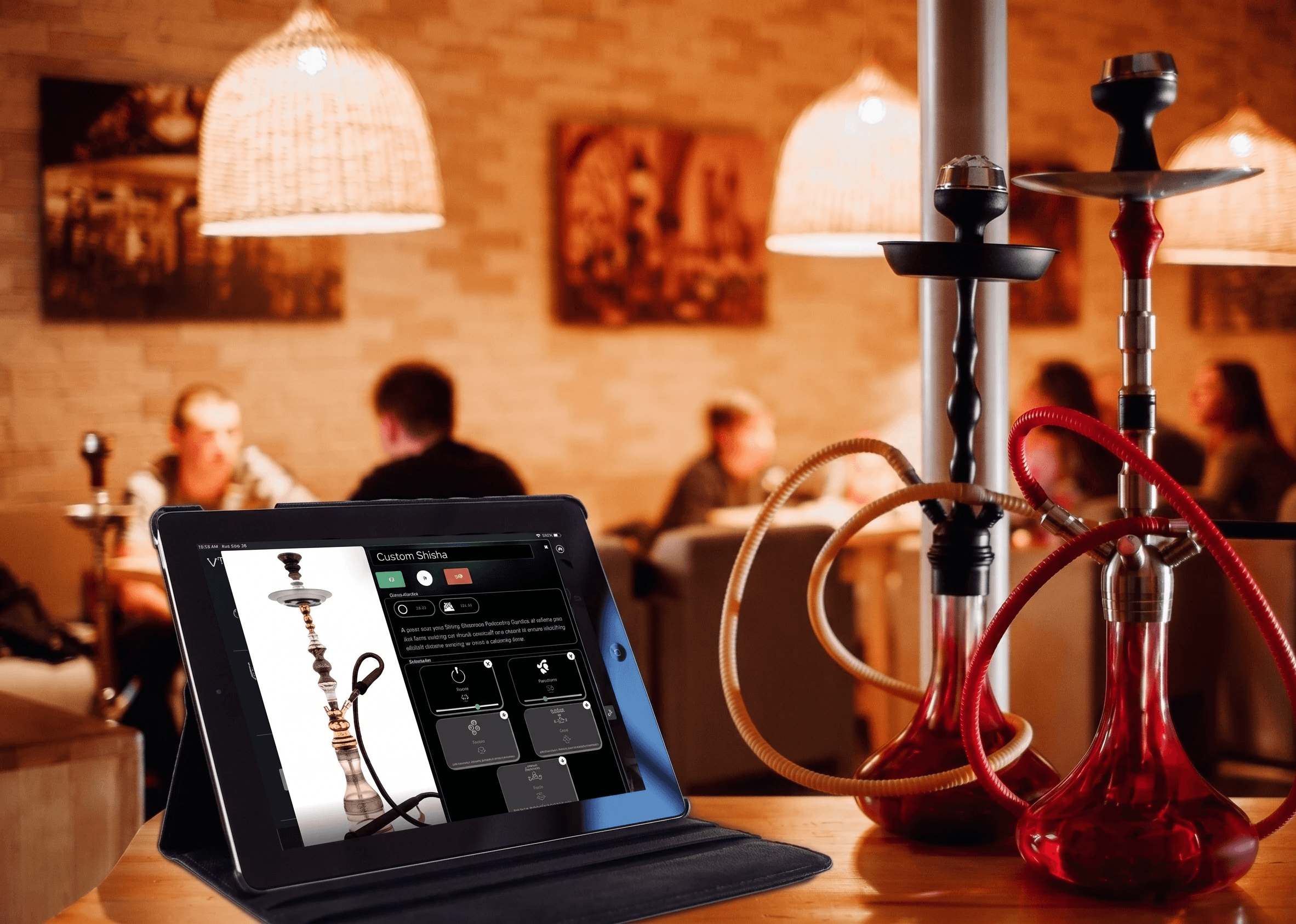
VMenu was a QR based food ordering product designed to simplify the customer ordering journey while also supporting kitchen, manager, and admin workflows behind the scenes. The product focused on making menu browsing clearer, reducing decision friction, and improving operational efficiency across multiple user touchpoints.

Problem:

Customers needed a faster and clearer way to browse menus, understand dishes, and place orders, while restaurant teams needed a more structured workflow across kitchen and operational interfaces.

Goal:

Design a food ordering experience that feels intuitive for customers and efficient for internal teams by improving clarity, speed, and consistency across the product journey.

My role:

Product Designer leading the end to end product experience across customer, kitchen, manager, and admin journeys.

Responsibilities:
  • UX strategy

  • User flow

  • Interface design

  • Design System

  • Full stack development

  • Information Architecture

Understanding the journey :

User Research

To improve the experience, I analysed how users moved through the ordering journey and where confusion, hesitation, or drop off appeared. The clearest friction points showed up around menu browsing, understanding dishes, and completing the ordering flow with confidence.

Pain Points

Menu browsing:

Users needed a faster way to scan the menu and identify dishes that matched their preferences.

Dish clarity:

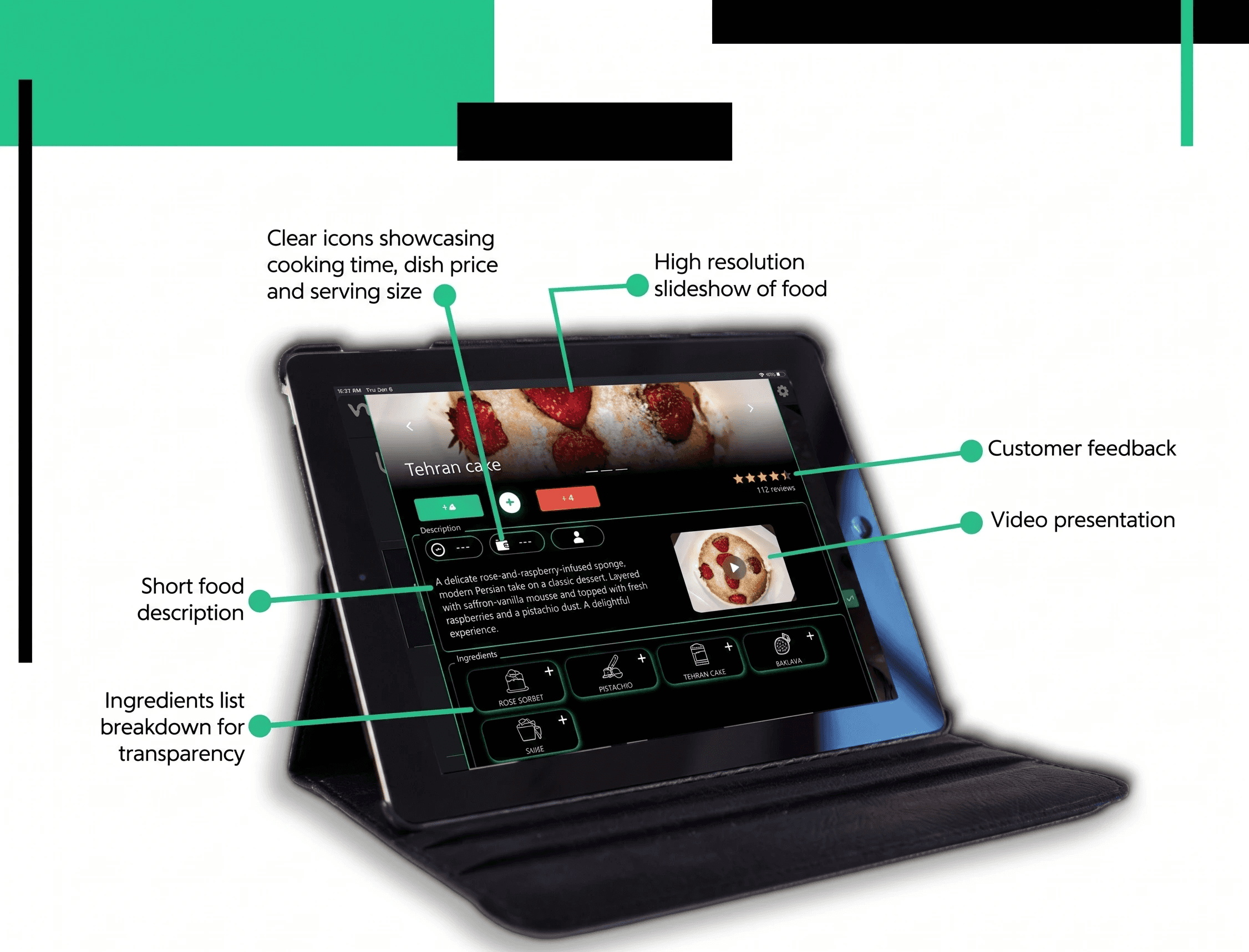
Important details such as ingredients, allergens, and item differences needed to be easier to understand.

Ordering flow:

The journey from selecting dishes to reviewing the order needed to feel clearer, more predictable, and easier to complete.

User Considerations

The experience was shaped around common needs across the ordering journey, especially around menu clarity, faster decision making, and smoother ordering. The goal was to reduce friction for customers while also supporting clearer coordination across kitchen and operational workflows.

Finding the
right dish

Users need clearer guidance when comparing plans based on goals, preferences, and lifestyle.

Understanding
dishes quickly

Menu details should be easy to scan so users can compare items without slowing down.

Ordering
with confidence

The flow should make dish selection, customisation, and order review feel clear and predictable.

Supporting
operations clearly

Kitchen and admin workflows need more structure so orders can be managed efficiently behind the scenes.

The project schematically :

Starting the Design

I translated the key ordering friction points into clearer user flows and interface directions. The process focused on simplifying menu browsing, improving ordering clarity, and shaping a more structured product experience before moving into higher fidelity design.

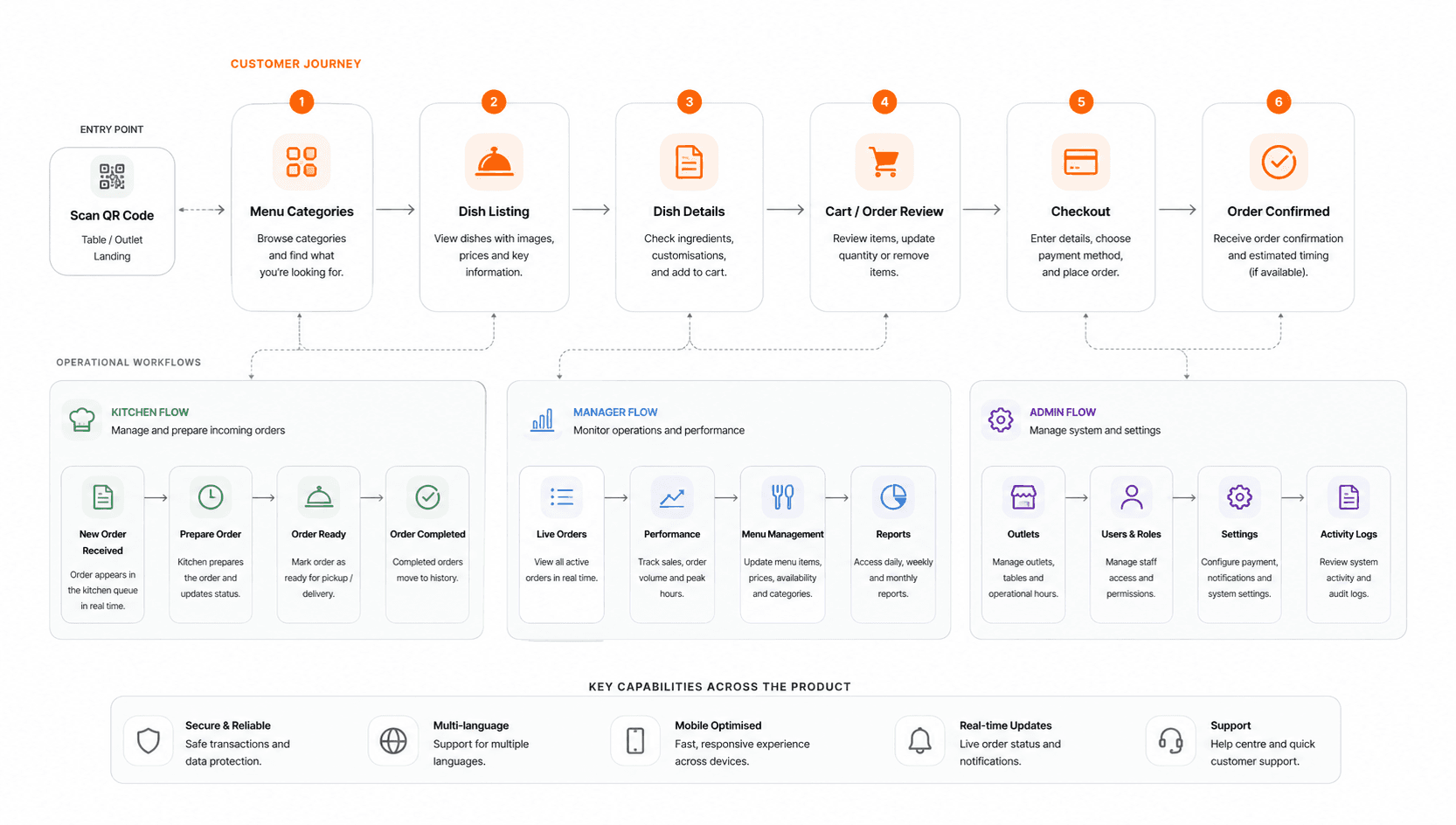
Appmap

A structured map of the core ordering flow, used to organise pages, decision points, and content hierarchy across customer and operational journeys.

The next step was defining a clearer application map. My goal was to create a structure that simplified menu browsing, supported smoother ordering, and made the overall product easier to navigate. The final map connected customer ordering with kitchen, manager, and admin workflows in a more intuitive way.

nice interior

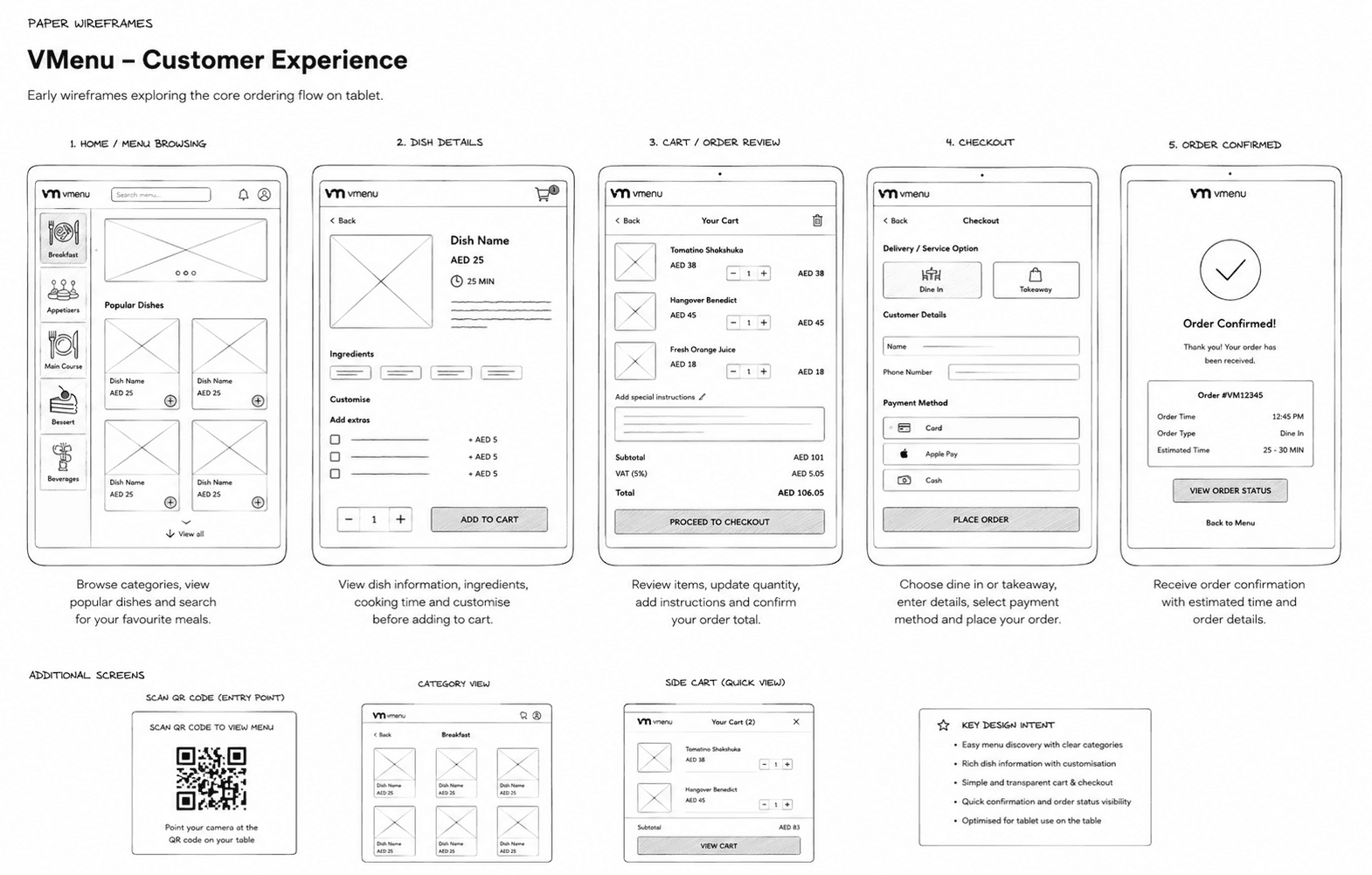
Paper Wireframes

Early wireframes focused on the basic structure of the ordering journey and the intended function of each section before moving into more refined layouts.

I explored multiple low fidelity wireframe directions to test how the ordering experience could be structured more clearly. The aim was to simplify menu browsing, guide dish selection, and create a stronger foundation before moving into higher fidelity design.

nice interior

Digital Wireframes

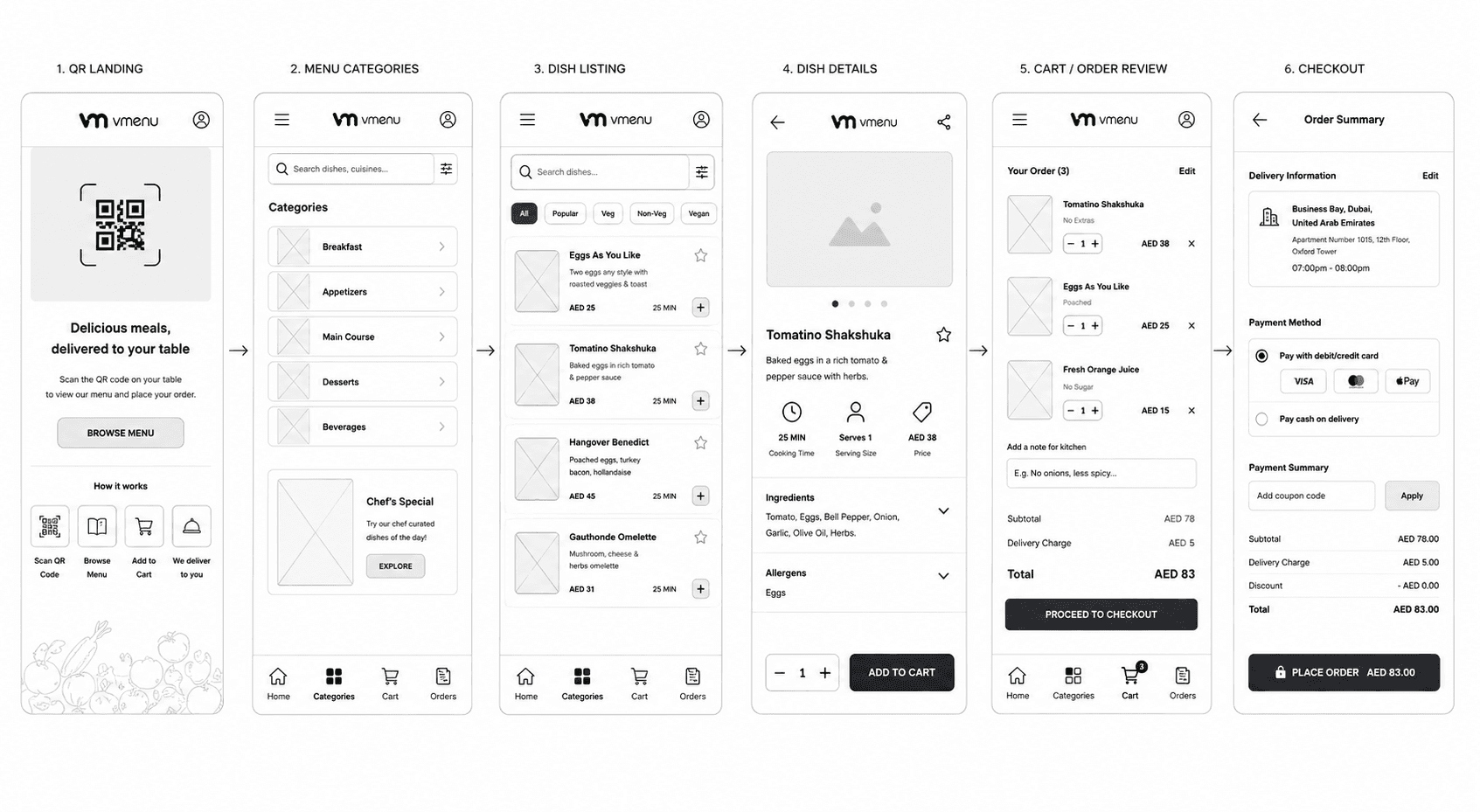
A clearer, more structured version of the ordering journey translated into digital form. This stage brought together the key pages, interactions, and decision points across the customer flow.

At this stage I translated the ordering journey into digital wireframes to define how each page connected and how the full experience would work as a system. The goal was to make menu browsing, dish selection, cart review, and checkout feel structured, connected, and easier to refine before moving into higher fidelity design.

nice interior

Usability Studies

A review of how users interacted with the ordering flow, used to identify friction, hesitation, and opportunities to improve the experience before final refinement.

I reviewed the early ordering experience to understand where users needed more clarity and where the journey felt less intuitive. The goal was to identify friction across menu browsing, dish understanding, and checkout related steps so the flow could be improved before final delivery.

Menu clarity:

Users needed a faster way to scan dishes, prices, and key details without feeling overwhelmed.

Ordering flow:

The journey from selecting dishes to reviewing the order needed to feel clearer, more predictable, and easier to complete.

Order confidence:

Before placing the final order, users needed to feel sure that their selections, notes, and payment choices were complete and correct.

The clear version :

Refining Design

At this stage, I translated the earlier structure into a clearer and more polished product direction. I refined the interface system, strengthened visual hierarchy, and improved how key ordering screens worked together so the experience felt more intuitive, consistent, and ready for final presentation.

Mockups

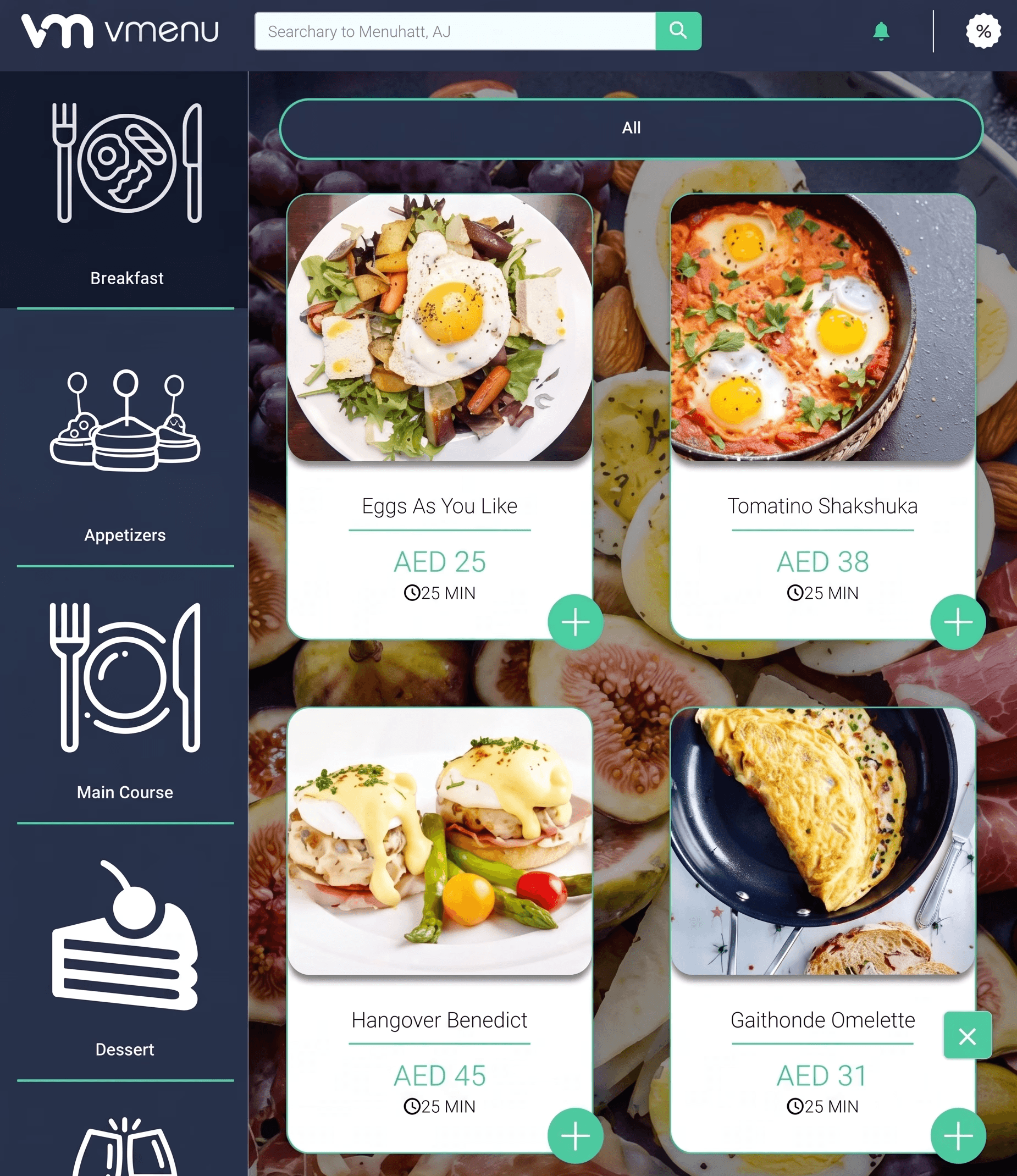
High fidelity interface explorations showing how the final ordering experience came together across key customer and operational screens.

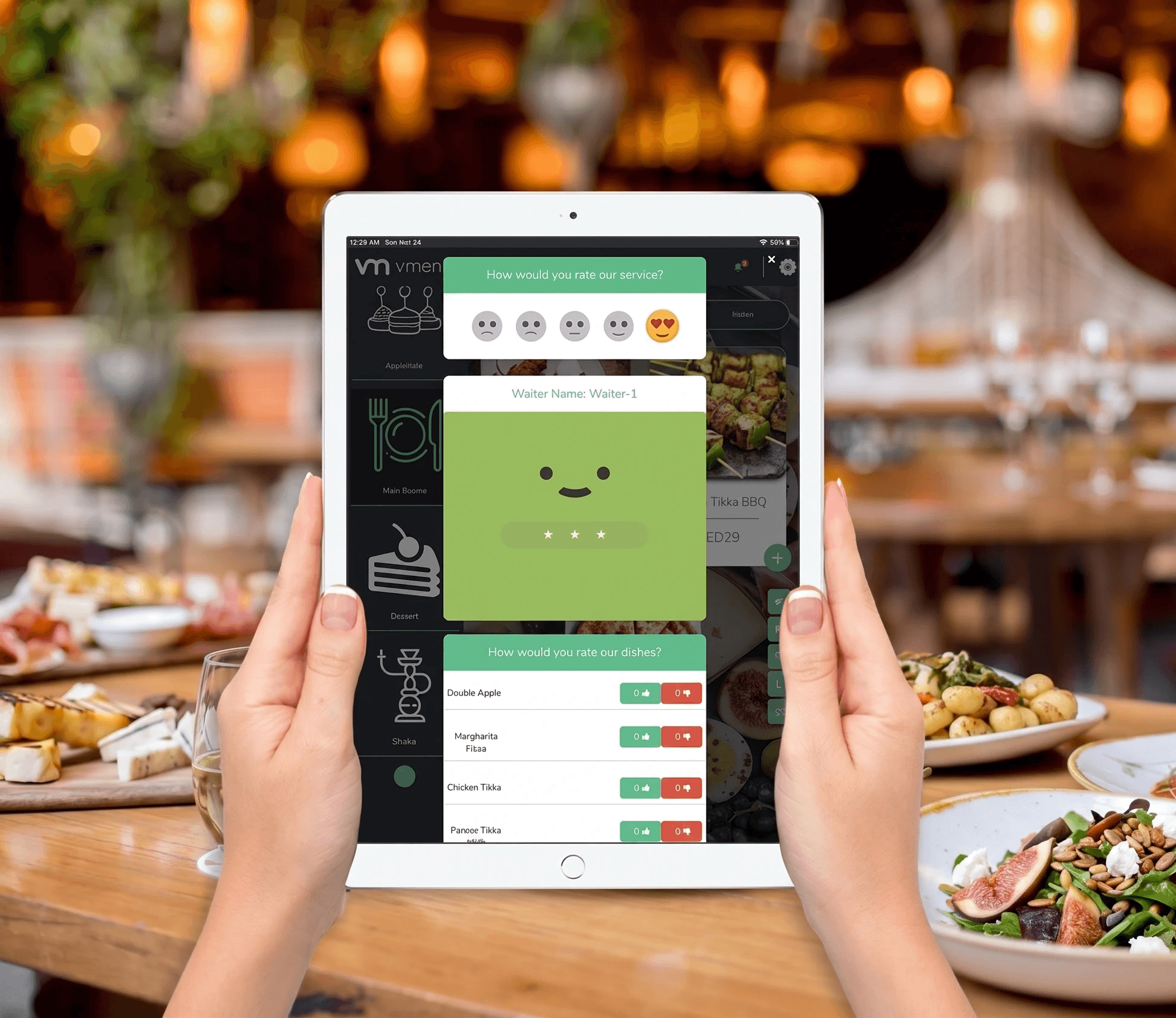
I translated the final flow into polished interface mockups that brought together layout, hierarchy, typography, and interaction clarity. The goal was to show how the product would feel in its final form and ensure the experience remained consistent across menu browsing, dish selection, cart review, and checkout.

High-fidelity prototype

An interactive prototype used to test how the final ordering experience would behave before development.

I turned the final mockups into a clickable prototype to validate flow, interaction behaviour, and overall usability. The goal was to test how users moved from menu browsing to checkout, confirm that the journey felt clear step by step, and refine the experience before implementation.

Voo's High-fidelyty prototype
  1. QR menu entry

  2. Category browsing and dish discovery

  3. Dish detail and add to cart flow

  4. Cart review and checkout

  5. Kitchen order visibility

  6. Manager workflow and order monitoring

  7. Admin controls and reporting structure

  8. End to end product journey review

The final outcome:

Outcome

The project moved from an early QR ordering concept into a more structured product experience that supported both customer usability and operational clarity. By refining menu browsing, dish selection, ordering flow, and internal coordination, the final outcome became easier to navigate, more efficient to use, and better aligned with real restaurant workflows.

Clearer menu discovery

A more structured browsing experience made dishes easier to find, compare, and understand.

Smoother ordering flow

The journey from menu browsing to checkout felt more direct, predictable, and easier to complete.

Stronger operational visibility

The product direction better connected customer ordering with kitchen, manager, and admin workflows.

Takeways

Designing this product reinforced how important clarity and structure are in ordering experiences that connect customers with operational teams. Small decisions around menu hierarchy, dish information, and order flow had a major impact on how intuitive and efficient the product felt.

Impact:

The final direction created a clearer connection between menu browsing, dish selection, checkout, and internal workflows. The product felt more structured, easier to navigate, and better aligned with real restaurant operations.

What I learned:

I learned that food ordering products work best when customer simplicity and operational clarity are designed together. Strong UX in this kind of system is not only about the front end experience, but also about how well the product supports the teams behind it.

Next Steps

The next phase would focus on validating the refined ordering journey, improving internal operational workflows, and continuing to strengthen the product through iteration.

Expand the product across more restaurant use cases, with deeper support for table ordering, service workflows, and real time operational visibility

Refine manager and admin tools further, especially around reporting, menu control, and day to day workflow management.

To get in touch :

Contact Me

Let’s build digital products that are clear, scalable, and made for real world use.

Click to copy :

mishkum.noor@gmail.com

To get in touch :

Contact Me

Let’s build digital products that are clear, scalable, and made for real world use.

Click to copy :

mishkum.noor@gmail.com

To get in touch :

Contact Me

Let’s build digital products that are clear, scalable, and made for real world use.

Click to copy :

mishkum.noor@gmail.com

To get in touch :

Contact Me

Let’s build digital products that are clear, scalable, and made for real world use.

Click to copy :

mishkum.noor@gmail.com